Every pilgrim eventually asks the same question: should you spend extra on a premium vehicle, or will a standard taxi get the job done just fine? The answer depends on your priorities, your group size, and how much comfort matters to you during a physically demanding journey.
Umrah involves long hours of standing, walking, and praying. Add jet lag, unpredictable weather, and crowded terminals, and your transportation choice starts to matter more than most first-time travelers expect. This guide breaks down exactly what a luxury Umrah transport includes, who benefits most from it, and whether the upgrade justifies the cost.
What Counts as “Luxury” Umrah Transport?
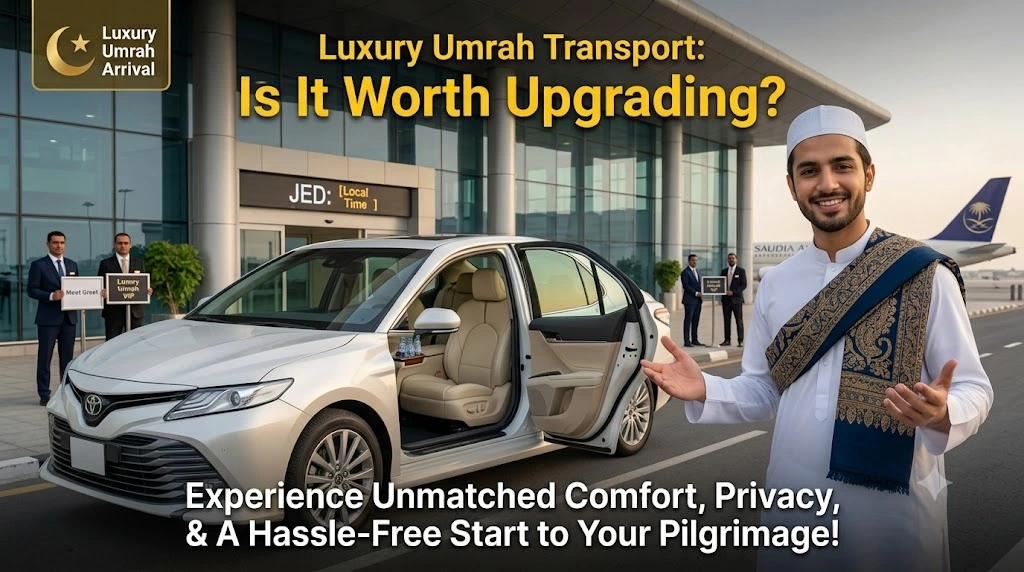
Luxury transport goes beyond a clean car and a polite driver. It typically includes premium vehicles like the GMC Yukon, Lexus LX, or Mercedes V-Class, along with amenities you won’t find in a standard taxi.
Here’s what usually separates a luxury service from a regular one:
- Premium vehicle interiors with leather seating, extra legroom, and stronger climate control
- Professional, English-speaking chauffeurs trained specifically for pilgrim routes
- Complimentary refreshments such as bottled water and dates
- Priority meet-and-greet at Jeddah or Madinah airports, often with a name placard
- Flexible scheduling, including late-night pickups without extra hassle
Standard taxis get you from point A to point B. Luxury services aim to make the entire journey feel effortless, which matters more than it sounds when you’re managing prayer times, luggage, and family members simultaneously.
Who Actually Benefits From Upgrading?
Not every traveler needs a luxury vehicle, but certain situations make the upgrade genuinely worthwhile.
Families With Elderly Parents
Long car rides become uncomfortable quickly for elderly passengers. A luxury vehicle offers better seating support, smoother suspension, and more space to stretch during the Makkah-to-Madinah drive. Consequently, elderly pilgrims arrive less fatigued and ready for prayer sooner.
First-Time Umrah Travelers
If you’re unfamiliar with Saudi Arabia’s roads, airports, and hotel zones near the Haram, a premium chauffeur service reduces confusion significantly. Drivers experienced with luxury bookings tend to know pilgrim-specific routes better, since this segment prioritizes reliability over speed.
Business Travelers Combining Umrah With Work
Many professionals from the UK, USA, and Malaysia combine Umrah with business trips to Jeddah or Riyadh. For them, a premium vehicle isn’t indulgence, it’s practicality. Wi-Fi access, quiet interiors, and punctual scheduling matter just as much as comfort.
Large or Multi-Generational Families
Groups traveling with children, grandparents, and extended relatives often need spacious vans anyway. Upgrading to a premium van adds comfort without dramatically increasing cost per person, since the price gets distributed across the group.

Luxury vs. Standard: A Real Cost Comparison
Before deciding, it helps to understand where your money actually goes. For a detailed breakdown of what different vehicle categories cost across common routes, our complete pricing breakdown for Umrah transport in 2026 explains exactly how fares scale from economy sedans to premium SUVs.
Generally, luxury transport costs more per trip, but the difference often narrows once you factor in group size. A shared luxury van for six family members frequently costs less per person than two separate standard taxis. Additionally, luxury bookings almost always include fixed pricing upfront, which eliminates the risk of last-minute fare disputes that sometimes occur with informal drivers.
Therefore, the real question isn’t whether luxury costs more, it’s whether the added comfort, safety, and predictability justify that difference for your specific trip.
Comfort Matters More Than You’d Expect
Umrah is physically demanding, even for younger pilgrims. Between Tawaf, Sa’i, and multiple daily prayers, your body needs proper rest between activities. A cramped, poorly air-conditioned taxi ride can leave you drained before you even reach the Haram.
Luxury vehicles address this through:
- Stronger, more consistent air conditioning, essential during Saudi Arabia’s intense heat
- Wider seating that reduces stiffness during longer intercity drives
- Quieter cabins that support rest or Quran recitation during travel
- Better suspension systems, which noticeably reduce fatigue on highway stretches
For pilgrims traveling from Indonesia or Pakistan after a 10+ hour flight, this comfort difference becomes especially noticeable during the Jeddah-to-Makkah transfer, since exhaustion compounds quickly without proper rest.
Safety and Reliability: The Underrated Benefit
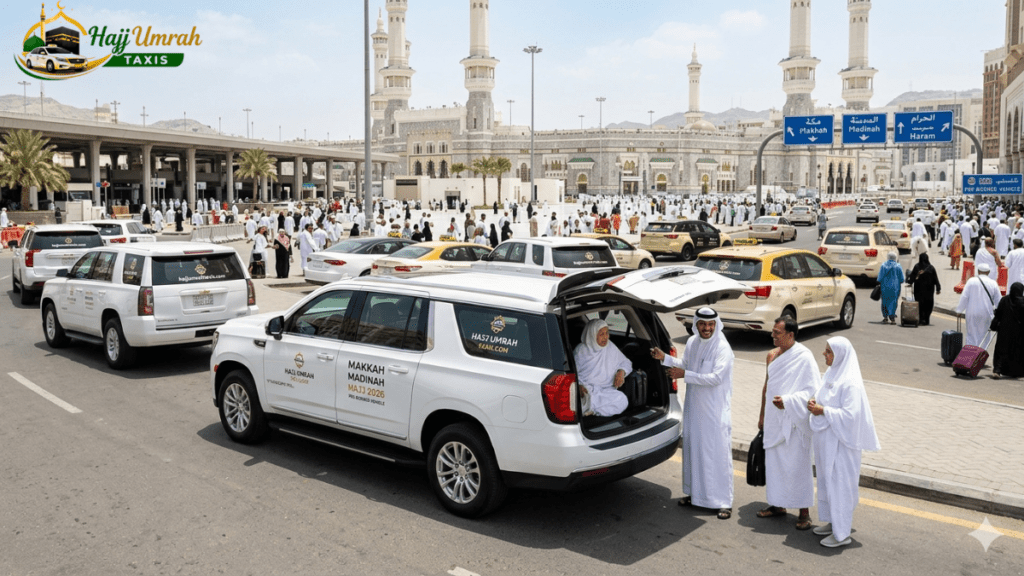
Luxury Umrah transport providers typically maintain stricter vehicle inspection standards and employ full-time, vetted chauffeurs rather than rotating freelance drivers. This distinction matters more than most travelers realize until something goes wrong.
If you’re arriving through Jeddah and want a clear understanding of what a properly managed transfer looks like, our guide on navigating airport pickup logistics and fare expectations from Jeddah outlines the booking process step-by-step, including what separates a professional pickup from an informal one.
Reliability becomes even more important during peak Umrah season, when demand spikes and unverified drivers sometimes overcharge exhausted travelers. Premium providers, by contrast, typically confirm your driver, vehicle, and pricing well before you land, removing that uncertainty entirely.
When a Standard Taxi Is Still the Smarter Choice
Luxury transport isn’t necessary for everyone, and there’s no shame in choosing standard service. If you’re a solo traveler on a tight budget, or your itinerary only involves short, local trips near the Haram, a standard taxi handles the job perfectly well.
Similarly, younger, healthy travelers making short regional trips, such as a quick transfer between Makkah and Jeddah, often find standard vehicles perfectly comfortable for shorter distances. Our detailed overview of safe and reliable vehicle options for shorter regional routes covers exactly which standard options offer the best balance of comfort and value for these trips.
Making the Right Decision for Your Trip
Ultimately, the luxury upgrade decision comes down to three factors: who you’re traveling with, how long your journey is, and how much comfort influences your overall experience. Families with elderly members, first-time travelers, and business pilgrims tend to gain the most value from upgrading. Meanwhile, solo travelers on shorter, local routes can comfortably stick with standard options without sacrificing much.
Whichever option you choose, prioritize transparency. Confirm your vehicle type, driver credentials, and total fare before booking, regardless of whether you’re going premium or standard. That single habit protects your budget and your peace of mind far more than the vehicle badge ever will.